A refrigerator that stops cooling can put a week of groceries at risk. A washer that will not drain can turn laundry day into a mess. Appliance failures rarely arrive at a convenient time, but the right response can protect your home, your budget, and your routine.
The goal is not to guess at a complicated repair. It is to recognize the warning signs, take the safe first step, and bring in a qualified technician before a manageable problem becomes a larger one.
The Appliance Failures You Should Not Ignore
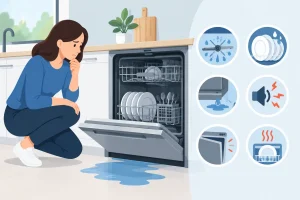
Some issues are frustrating but not immediately dangerous. Others require you to stop using the appliance right away. If you smell gas, see smoke, notice sparking, hear loud electrical buzzing, or find water pooling near an appliance, turn it off if it is safe to do so. Shut off the water supply for a leaking washer, dishwasher, or refrigerator line. For a suspected gas leak, leave the area and contact the appropriate emergency service.
A burning smell from an oven, dryer, HVAC system, or refrigerator is also a reason to stop operation. The smell may come from an overheated motor, damaged wiring, or accumulated lint. Continuing to run the appliance can increase the risk of damage and may create a safety concern.
Less urgent symptoms still deserve prompt attention. A dishwasher that leaves dishes dirty, a dryer that takes two cycles to dry clothes, or a refrigerator that runs constantly is using more energy while signaling that a part may be wearing out. Waiting can turn a smaller repair into a failed motor, damaged control board, spoiled food, or water damage.
Start With a Few Safe Checks
Before scheduling service, there are a few basic checks that can rule out simple causes. Confirm the appliance has power and that a circuit breaker has not tripped. Check that the door is fully closed on a washer, dryer, dishwasher, or refrigerator. Make sure appliance controls have not been changed accidentally, especially temperature settings and cycle selections.
For a dishwasher or washing machine, look for a kinked drain hose or a visibly clogged filter if the owner’s manual identifies one that is safe for the homeowner to clean. For a dryer, clean the lint screen and check the exterior vent cover for obvious blockage. Do not disassemble panels, bypass safety switches, or keep resetting a breaker that trips again.
These checks are useful because they may solve a minor interruption. They should not become a reason to delay service when the appliance leaks, makes unusual sounds, produces error codes, or repeatedly stops mid-cycle. Modern appliances often have electronic components that need a proper diagnosis, not trial-and-error part replacement.
Keep Food Safe When the Refrigerator Has a Problem
A refrigerator failure deserves quick action because food safety is on the line. Keep refrigerator and freezer doors closed as much as possible. A full freezer stays cold longer than a partially full one, but it will not stay safe indefinitely. Move perishables to a cooler with ice if the refrigerator is warming and you cannot restore cooling quickly.
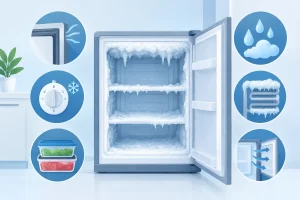
Do not assume a refrigerator is working just because the interior light is on. The light and display may have power while the compressor, evaporator fan, or defrost system is not doing its job. Common warning signs include warm food, excessive frost, a loud clicking sound, water under the unit, and a freezer that is cold while the fresh-food section is warm.
Treat Dryer Problems as More Than an Inconvenience
Dryers need attention when clothes take too long to dry, the outside of the machine becomes unusually hot, or a burning smell appears. Lint buildup in the venting system can restrict airflow, strain the appliance, and create a fire risk. Cleaning the lint screen after every load helps, but it does not replace professional attention when venting is blocked or the dryer is overheating.
A dryer that tumbles but does not heat may have a failed heating component, thermostat, sensor, or power supply issue. A technician can identify the actual cause and recommend the appropriate repair rather than replacing parts that are not needed.
Why Accurate Diagnosis Matters
Many appliance symptoms have more than one possible cause. A washer that will not spin could have an unbalanced load, a worn belt, a lid switch issue, a drain problem, or a failing drive component. An oven that will not heat evenly may have a faulty element, igniter, temperature sensor, or control issue. The visible symptom is only the starting point.
Accurate diagnosis protects customers from paying for the wrong repair. It also helps prevent repeat breakdowns caused by an overlooked underlying issue. A qualified technician should explain what failed, what repair is recommended, and what the expected cost is before work begins.
That approval step matters. You should not feel pressured into an unexpected repair or surprised by added charges after the work is complete. For homeowners, renters, landlords, and property managers, clear communication makes a stressful service call easier to manage.
Repair or Replace? The Answer Depends
Replacement is not always the best answer when an appliance fails. A well-maintained unit with a repairable part may have years of useful service left. In many cases, repairing a dishwasher pump, refrigerator fan motor, oven igniter, or washer drain component is more practical than buying a new appliance.
Still, replacement can make sense when an appliance has repeated major failures, poor energy performance, extensive corrosion, or a repair cost that is high compared with the value and expected remaining life of the unit. Age matters, but it is not the only factor. A newer appliance with a failed control board may be worth repairing, while an older unit with multiple worn components may not be.
Ask for a straightforward recommendation based on the specific issue, the appliance condition, and the cost of the approved repair. The best choice is the one that gives you reliable service without spending money on a short-term fix that does not make sense.
Choose Service That Protects Your Home
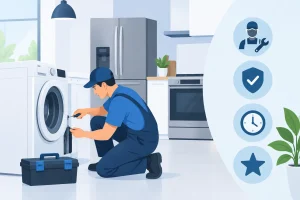
When you schedule appliance repair, reliability should include more than fixing the immediate symptom. Your technician should arrive on time, treat your home respectfully, use appropriate manufacturer-recommended parts when needed, and keep the work area clean. Those details matter when a repair visit is happening in the middle of a busy workday, a family meal, or a tenant emergency.
Warranty coverage matters, too. A company that stands behind its labor and parts gives you more protection if a repaired appliance needs follow-up attention. At Your Appliance Repair, customers receive a clear explanation before work begins, no hidden charges, and repairs backed by labor and parts guarantees, including a 90-day workmanship warranty at no additional charge.
Prevent the Next Breakdown Where You Can
Not every appliance failure is preventable, but basic maintenance reduces unnecessary strain. Keep refrigerator coils and vents clear of dust, avoid overloading washers and dryers, clean dishwasher filters as directed by the manufacturer, and replace HVAC filters on schedule. Address small leaks, unusual noises, and inconsistent temperatures early rather than waiting for a complete shutdown.
For property managers, regular attention is especially valuable. A slow drain, weak dryer airflow, or noisy refrigerator in a rental home can become a tenant disruption if it is ignored. Early service is usually less disruptive than an emergency repair after the appliance stops working entirely.
A broken appliance does not have to take over your day. Protect the area, avoid unsafe do-it-yourself repairs, and get a clear professional diagnosis. The right repair can restore the appliance you depend on and give you confidence that the problem was handled the right way.