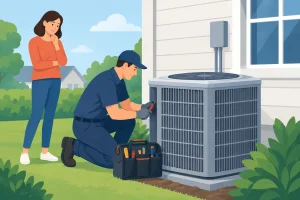
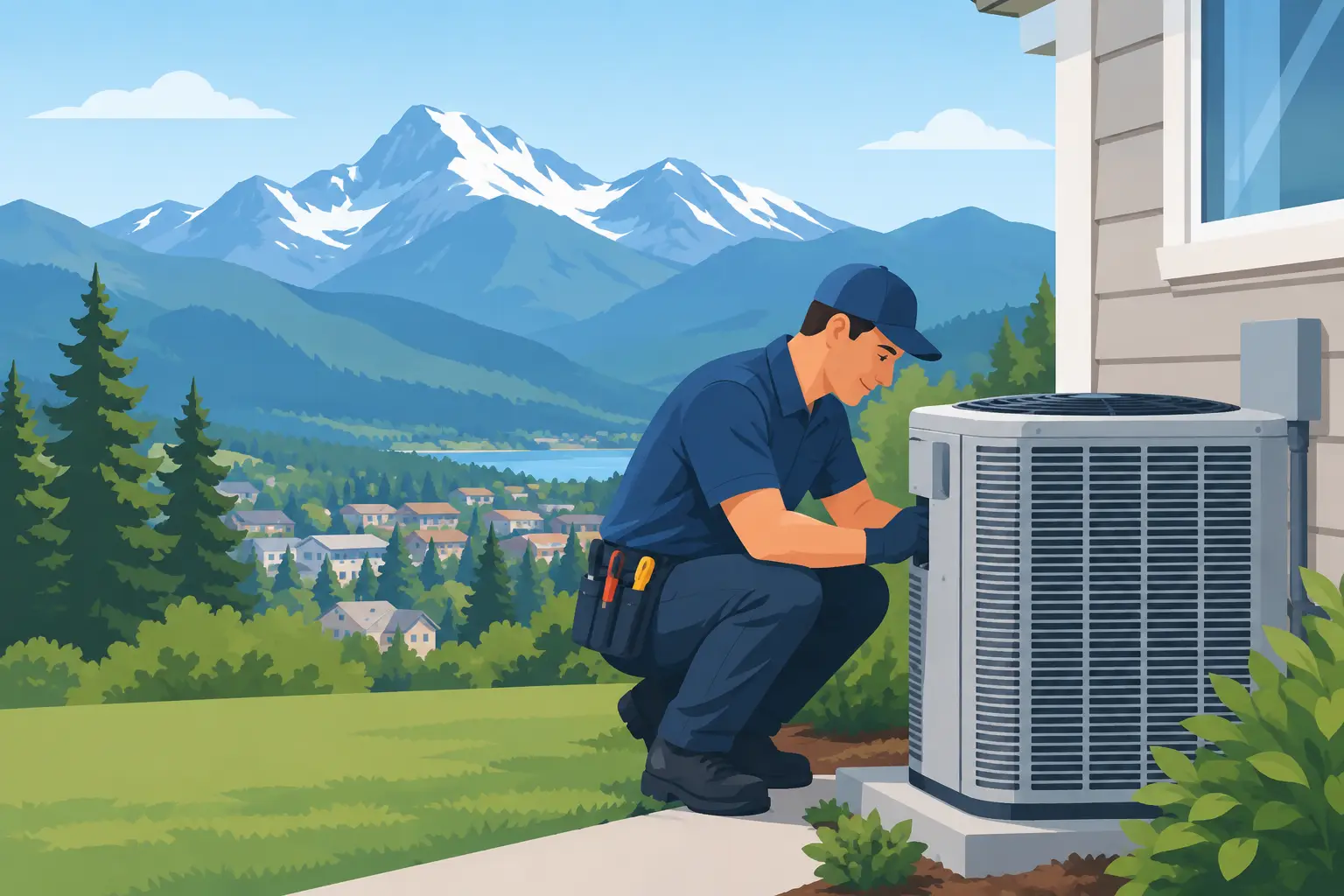
A heater that will not start on a cold morning or an air conditioner blowing warm air during a Mountain View heat spell changes the whole rhythm of a home. Reliable Mountain View HVAC services should do more than get equipment running for the moment. They should give you a clear answer, an approved price before work begins, and confidence that the repair is built to last.
For homeowners, renters, landlords, and property managers, comfort equipment is not a luxury when it fails. It affects sleep, daily routines, tenant satisfaction, indoor air quality, and utility costs. The right repair service reduces the uncertainty instead of adding to it.
What Dependable Mountain View HVAC Services Should Include
The most useful HVAC appointment starts with a careful diagnosis. Heating and cooling problems can look simple from the outside, but several different failures can produce the same symptom. A system that will not cool, for example, may have an airflow restriction, a thermostat issue, an electrical component failure, a refrigerant concern, or a worn mechanical part. Replacing a part without confirming the cause can waste time and money.
A trained technician should inspect the system, explain what was found in plain language, and tell you what repair is recommended. You should know the expected cost before repairs begin. No hidden charges and no surprise work after the technician arrives are basic protections, especially when an unexpected repair is already putting pressure on the household budget.
Punctuality and cleanliness matter, too. HVAC work often means access to a garage, attic, utility closet, side yard, or indoor air handler. A professional technician respects your home, arrives as scheduled, keeps the work area orderly, and leaves you with a functioning system rather than a new mess to manage.
When to Call for HVAC Repair
Waiting can turn a manageable repair into a larger disruption. Some problems stop a system immediately. Others allow the equipment to keep operating while putting added strain on major components. Calling when you first notice a change can help limit damage and avoid days without heating or cooling.
Signs Your Air Conditioner Needs Attention
Warm air from supply vents is the most obvious warning, but it is not the only one. Short cycling, when the unit starts and stops repeatedly, can signal a control, airflow, or electrical issue. Weak airflow may come from a clogged filter, blower problem, duct issue, or another restriction that keeps conditioned air from reaching rooms evenly.
Unusual sounds deserve attention as well. Rattling, grinding, squealing, or repeated clicking are not sounds to ignore. A system that runs louder than usual may still cool the house, but continued operation can cause a smaller worn component to damage other parts.
You should also call if your electricity bill rises suddenly without a clear change in weather or household use. An inefficient system may be working longer than necessary to meet the thermostat setting. The cause might be straightforward, but only a proper diagnosis can determine whether repair is the sensible next step.
Signs Your Heating System Needs Repair
A heating system that does not produce warm air needs prompt attention, particularly when nighttime temperatures drop. Other warning signs include rooms heating unevenly, frequent cycling, burning odors that do not fade after initial seasonal use, or a thermostat that does not seem to control the system correctly.
For gas heating equipment, do not dismiss unusual odors, repeated shutdowns, or concerns about combustion. Turn the system off if you believe operation may be unsafe and contact a qualified professional. If a carbon monoxide alarm sounds, leave the home and follow emergency guidance before arranging equipment service.
Repair or Replace? The Answer Depends on the Equipment
Many customers ask whether a failing HVAC system should be repaired or replaced. There is no honest one-size-fits-all answer. Age matters, but it is only one part of the decision.
A relatively new system with a repairable electrical component, thermostat issue, capacitor problem, or blower-related concern may be a strong candidate for repair. If the unit has been maintained, has not required frequent service, and can be restored with an appropriate manufacturer-recommended part, repairing it may provide good value.
Replacement becomes more reasonable when major failures repeat, repair costs are rising, performance remains poor, or the equipment is near the end of its expected service life. Compatibility, efficiency, refrigerant requirements, and the condition of connected equipment can also affect the decision. A lower-priced repair is not always the better value if it only postpones another expensive breakdown, but replacement should never be presented as the automatic answer when a dependable repair is available.
The key is receiving a clear explanation of the options. You deserve to understand what is wrong, what the repair addresses, what it costs, and what risks may remain because of the system’s age or condition. That information lets you make an informed decision rather than feeling pushed into one.
Small Maintenance Steps That Help Between Visits
Homeowners can prevent some avoidable HVAC strain with a few simple habits. Change or clean filters according to the filter type and your household conditions. Homes with pets, construction dust, allergies, or heavy system use may need more frequent attention than homes with light use.
Keep outdoor equipment clear of leaves, stored items, and overgrown landscaping so air can move freely around it. Indoors, avoid blocking supply and return vents with furniture or rugs. These steps will not fix a failed component, but they can help the system operate without unnecessary restriction.
Be cautious with do-it-yourself repairs. Resetting a tripped breaker or checking that a thermostat has fresh batteries may be reasonable. Opening electrical compartments, handling refrigerant-related issues, bypassing safety controls, or repeatedly resetting equipment that keeps shutting down is not. Those actions can create a safety risk or make the original problem harder to diagnose.
A Service Process That Protects Your Home and Budget
When you schedule service, the experience should be straightforward. First, the technician evaluates the complaint and identifies the likely cause. Next, you receive an explanation and a price for the recommended repair. Work should not begin until you approve it.
That approval step matters. It gives you control over the repair and keeps the bill predictable. It also creates space to ask practical questions: Is this part manufacturer-recommended? Is the repair covered by a warranty? Is there another option if the equipment is aging? A dependable company will answer directly.
Your Appliance Repair is built around that customer-first approach: trained, courteous technicians, on-time arrival, upfront approval, and no hidden charges. Completed repairs include a free estimate, and labor and parts are guaranteed, with a 90-day workmanship warranty at no additional charge. Extended warranty options are available when longer protection makes sense for your situation.
Comfort Should Not Be a Guess
An HVAC breakdown is disruptive enough without vague explanations, missed appointments, or a repair bill you did not approve. Whether the issue is a noisy air conditioner, weak airflow, a heater that will not start, or a system that cycles constantly, prompt professional service can bring clarity before the problem grows.
Choose a repair team that treats your comfort, your home, and your budget with equal respect. A clear diagnosis and an approved, protected repair can turn a stressful service call into the last call you need to make.