A refrigerator that stops cooling on Friday afternoon is not a minor maintenance item when a tenant has a full week of groceries inside. A washer that leaks can damage flooring, create tension with a downstairs neighbor, and turn one repair call into a larger property expense. Appliance repair for landlords is about more than getting a machine running again. It is about protecting the rental, responding fairly to tenants, and knowing the cost before work begins.
For landlords and property managers, the right repair process reduces uncertainty. You need a qualified technician who arrives as promised, identifies the actual problem, explains the recommended repair clearly, and waits for approval before moving forward. That is how a service call stays manageable instead of becoming another surprise expense.
Why appliance problems need a fast, measured response
Tenants judge a rental home by how well essential systems work. A broken dishwasher may be inconvenient, but a failed refrigerator, oven, washer, dryer, or HVAC system can quickly affect daily routines and comfort. Prompt communication matters, even when the repair itself requires a part order or a return visit.
At the same time, fast does not mean careless. Replacing an expensive appliance before it has been properly diagnosed can waste money. Many common failures involve components that can be repaired, such as a worn door seal, failed heating element, faulty drain pump, damaged control switch, or worn belt. A trained technician can determine whether repair makes financial sense and give you a clear recommendation.
The best decision depends on the appliance’s age, condition, repair history, and the cost of the needed part. A relatively new refrigerator with a failed fan motor is often a sensible repair. A very old unit with repeated cooling failures, hard-to-source parts, and high energy use may be a better candidate for replacement. A dependable repair company should tell you the difference plainly, not push work that does not serve the property.
Appliance repair for landlords starts with clear approval
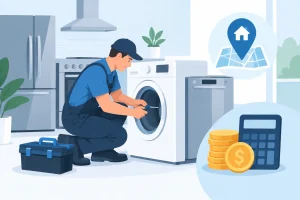
Landlords need control over maintenance costs, particularly when managing more than one unit. That is why pricing should be discussed before repairs begin. The technician should explain what failed, what parts are needed, what the repair will cost, and whether there are reasonable alternatives.
No hidden charges and no repair work without prior approval are not extras. They are basic protections for rental owners. They also make it easier for property managers to document decisions, communicate with owners, and keep tenant expectations realistic.
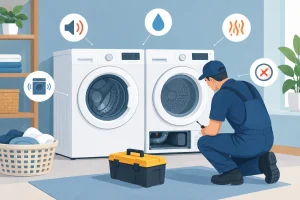
For occupied properties, it helps to establish a simple communication path before the appointment. Confirm whether the tenant will be present, who can authorize access, where the appliance is located, and whether there are related symptoms the technician should know about. For example, a dishwasher leak may have started after a disposal replacement, while a dryer that takes too long to dry may be connected to a blocked vent rather than a failed heating part.
Accurate details do not replace diagnosis, but they can help the visit go more smoothly. The same is true for having the appliance brand and model number available whenever possible.
What a professional repair visit should include
A good service call is not just a technician arriving with a toolbox. It should include a careful diagnosis, a straightforward explanation, and respectful treatment of the tenant’s home. Clean, courteous technicians and on-time arrival standards matter because your tenant should not have to chase updates or clean up after a repair appointment.
Once the problem is confirmed, manufacturer-recommended replacement parts can help support a lasting repair. Cheaper parts may sometimes look appealing, especially for older rental appliances, but poor-fit or low-quality components can create another service call sooner than expected. The lowest upfront price is not always the lowest ownership cost.
After an approved repair, the technician should test the appliance and explain what was completed. If the appliance needs monitoring, such as allowing time for a refrigerator to return to temperature, the tenant should know what to expect and when to report continued problems.
Protect the rental from damage, not just inconvenience
Some appliance issues can wait for a scheduled appointment. Others need immediate attention because they risk water damage, food loss, fire hazards, or unsafe living conditions. Landlords benefit from knowing which calls deserve priority.
Water leaks from washers, dishwashers, refrigerators, or ice makers should be addressed quickly. Ask the tenant to stop using the appliance and, if safe to do so, shut off the nearby water supply. A refrigerator that is not cooling should be reported right away, especially if food temperatures are rising. Burning smells, electrical sparking, repeated breaker trips, or a gas odor call for immediate safety precautions and professional attention.
Dryers deserve particular care. A dryer that runs but does not dry efficiently may have an appliance fault, a restricted exhaust path, or both. Continuing to run it repeatedly can increase wear, waste energy, and create a potential safety concern. The repair should focus on the actual cause, not simply the most obvious symptom.
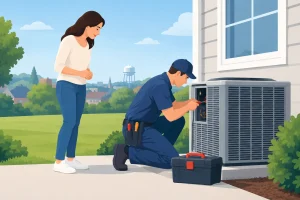
HVAC failures also require a practical sense of urgency. In periods of extreme heat or cold, a nonworking system can become much more than a comfort issue. Quick diagnosis, clear approval, and properly completed repairs help landlords meet their responsibilities while giving tenants confidence that the problem is being handled.
Build a maintenance record that prevents repeat surprises
A rental maintenance record does not need to be complicated. For each appliance, keep the installation date if known, model number, repair dates, symptoms reported, parts replaced, and warranty information. This makes patterns easier to spot.
For example, repeated dishwasher drainage calls may point to tenant-use issues, a plumbing connection concern, or an aging pump. Multiple refrigerator service calls in a short period can signal that replacement planning is more sensible than continuing to repair. Good records also help when a property changes hands or a new manager takes over.
Preventive habits can reduce avoidable calls. Encourage tenants to report small leaks early, clean dryer lint filters after every use, avoid overloading washers, and keep refrigerator vents clear. These steps will not prevent every failure, but they can limit strain on equipment and catch problems before they damage the home.
Landlords should also avoid trying to diagnose every issue remotely. A tenant may describe a dishwasher as “not working” when it is actually not draining, not heating, or not receiving power. Each symptom has a different cause and cost. Professional diagnosis protects both the tenant relationship and the repair budget.
Choose repair support that protects your reputation
Your repair provider becomes part of the tenant experience. A missed appointment, vague price, or rushed repair reflects on the landlord, even when the landlord did not perform the work. Choose a company that treats punctuality, cleanliness, and clear communication as part of the job.
Warranty coverage matters as well. When labor and parts are guaranteed, you have added protection if the same repair concern returns. A 90-day workmanship warranty can provide useful peace of mind, while extended warranty options may make sense for properties with older equipment or owners who prefer longer coverage. Review the terms so you understand what is covered and for how long.
For rental owners in Mountain View, Your Appliance Repair can provide support across major household appliances and HVAC equipment, with approved pricing before repairs begin and a focus on work that lasts. The goal is simple: help you restore the home, protect the property, and give your tenant a clear answer.
The next time a tenant calls about an appliance failure, respond quickly, gather the facts, and choose a repair process that keeps you in control. A well-handled service call protects more than one machine. It protects the condition of your rental and the trust that keeps good tenants comfortable calling it home.