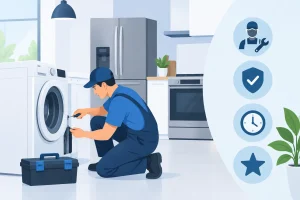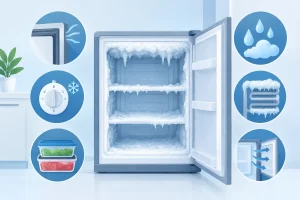
A refrigerator that stops cooling can put a week’s groceries at risk. A washer that will not drain can turn one laundry load into a pileup. When an essential appliance fails, finding the best appliance technicians is less about choosing the first available appointment and more about choosing someone who will diagnose the problem correctly, explain the solution clearly, and stand behind the work.
For homeowners, renters, landlords, and property managers, a repair visit should bring relief – not another surprise bill, repeat breakdown, or missed appointment. Here is what separates a dependable repair professional from a costly gamble.
What the Best Appliance Technicians Do Differently
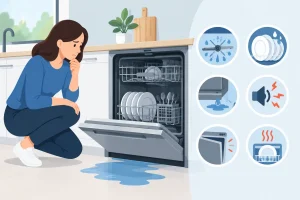
A good technician does more than replace a part. They begin by listening to what happened, checking the appliance systematically, and identifying the actual cause of the failure. A dishwasher that leaks, for example, may have a worn door seal, a damaged hose, a failed pump, or an installation issue. Replacing the wrong part can temporarily hide a symptom while leaving the real problem behind.
Accurate diagnosis matters because modern appliances are more complicated than they look. Refrigerators use electronic controls and sensors. Washers may display error codes that point to several possible issues. Ovens, cooktops, dryers, and HVAC systems involve components that need to be tested safely. The right professional has the training, equipment, and experience to narrow down the issue before recommending a repair.
Just as important, a reliable technician communicates in plain language. You should know what failed, why it matters, what the repair involves, and what it will cost before work begins. Technical terms may be necessary at times, but they should never be used to avoid a straightforward answer.
Look for Clear Approval Before Repairs Begin
The most frustrating repair experiences often start with an unclear price. A technician may quote only a service-call fee, begin work without discussing the full repair, or add charges that were never explained. That puts customers in an unfair position, especially when they need a refrigerator, dryer, or air conditioner working quickly.
A customer-protective repair company handles this differently. After diagnosis, it provides the recommended repair and pricing, then waits for approval. No hidden charges. No pressure to agree on the spot. No work performed without your prior authorization.
Price should not be the only deciding factor. The lowest quote can become expensive if it excludes necessary parts, uses poor-quality replacements, or does not include support if the same issue returns. Ask what the quoted amount covers and whether there could be additional charges based on the diagnosis. A professional company will answer directly.
Questions Worth Asking Before You Schedule
You do not need to become an appliance expert to choose a repair company. A few practical questions can reveal how the business operates:
- Do you repair my appliance brand and model?
- Will you explain the diagnosis and obtain approval before starting repairs?
- Are replacement parts manufacturer-recommended or appropriate for my appliance?
- What warranty applies to labor and installed parts?
- Is the estimate applied when the repair is completed?
- What should I expect if the same problem comes back?
The answers should be specific, not vague promises. If a company cannot explain its warranty process, pricing approach, or parts policy before the appointment, it may be difficult to get clear support afterward.
Parts Quality Affects How Long a Repair Lasts
A repair is only as dependable as the diagnosis, installation, and part used. Some appliance issues can be resolved with a simple adjustment or cleaning. Others require a control board, motor, igniter, valve, compressor component, belt, pump, or sensor. When replacement is needed, the part must be compatible with the appliance and installed correctly.
Manufacturer-recommended parts are especially valuable when fit, safety, performance, or electronic compatibility matters. A less expensive substitute may occasionally be appropriate, but that decision should be explained to you. The technician should not treat your appliance like a trial run.
There is also a practical trade-off to consider. On an older appliance, a major repair may not always be the best value. A trustworthy technician will help you weigh the cost of repair against the appliance’s age, condition, likely remaining life, and replacement cost. They should not push a repair that does not make financial sense simply because they can perform it.
Reliability Is Part of the Repair
A repair company can have technical skill and still create a poor customer experience if it misses appointments, arrives unprepared, or leaves a mess behind. Broken appliances already interrupt meals, work schedules, tenant needs, and household comfort. Customers should not have to spend hours waiting without an update.
Punctuality, cleanliness, and courtesy are not extras. They are part of professional service. The technician should arrive within the agreed window, treat your home respectfully, protect the work area when needed, and explain what happens next if a part must be ordered.
This is particularly important for property managers and landlords coordinating access with tenants. Clear communication keeps small appliance issues from turning into larger complaints. For homeowners, it means less time rearranging the day around an uncertain visit.
Why Warranties Matter After the Technician Leaves
A warranty is one of the clearest signs that a company expects its repairs to last. It tells you that the business is willing to take responsibility for its labor and the parts it installs. Still, warranty terms vary, so it is worth understanding what is covered and for how long.
Look for a company that guarantees its labor and parts and explains the workmanship coverage in clear terms. A 90-day workmanship warranty, for example, gives customers added protection if a repair-related issue appears soon after service. Extended warranty options may make sense for certain repairs or appliances, particularly when a household depends heavily on the equipment.
Read the terms with common sense. A warranty generally covers the completed repair, not an unrelated failure that develops later. If a refrigerator receives a new fan motor and a separate control board fails months afterward, those are different issues. What matters is that the company explains the distinction fairly and responds when its own repair needs attention.
Local Knowledge Helps When Service Cannot Wait
In Mountain View and nearby communities, quick access to reliable repair matters. A refrigerator failure during a warm week, an HVAC issue during extreme temperatures, or a dryer problem in a busy household can become urgent fast. Local service can make scheduling more practical and follow-up easier when a part is needed or a question comes up after the visit.
The best fit is not always the company that promises an unrealistic instant fix. Some repairs require special-order parts, and some appliances need a careful diagnosis before a responsible recommendation can be made. What customers should expect is honesty about timing, a prompt arrival, and a clear plan from the first visit forward.
Your Appliance Repair approaches service with that standard: trained, courteous technicians, approved pricing before work begins, manufacturer-recommended parts, and repair protection designed to give customers confidence after the appointment.
When Repair Is Better Than Replacement
Many appliance problems are repairable at a cost far below replacement. A failed heating element, worn belt, clogged drain system, faulty igniter, broken latch, or malfunctioning sensor does not automatically mean the appliance has reached the end of its life. Repair can preserve a dependable machine and prevent the expense of buying, delivering, and installing a new one.
Replacement may be wiser when a unit is near the end of its expected service life, has repeated major failures, or needs an expensive core component. Energy use and availability of replacement parts can also affect the decision. An honest technician will give you the information to decide rather than making the decision for you.
A broken appliance is disruptive, but the repair process does not have to be. Choose a technician who respects your home, your schedule, and your right to approve the work. The result should be more than a working machine – it should be confidence that the repair was handled correctly.