
A refrigerator that stops cooling before a weekend grocery run or an air conditioner that quits during a hot Mountain View afternoon creates the same urgent question: repair versus replace? The right answer is rarely based on the appliance’s age alone. It comes down to the actual failure, the condition of the unit, the cost of a lasting repair, and whether replacement would genuinely solve a bigger problem.
A good decision should protect your budget without leaving you with another breakdown a few weeks later. That starts with an accurate diagnosis, clear pricing, and time to approve the work before any repair begins.
Repair Versus Replace Starts With the Real Problem
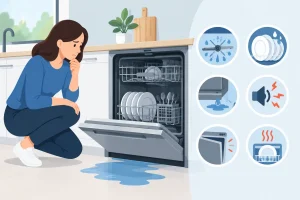
The symptom is not always the problem. A dishwasher that will not drain may have a clogged filter, a worn drain pump, or an issue with the disposal connection. A dryer that takes too long to dry may need a heating component, but it could also have restricted venting. Replacing an entire appliance before identifying the cause can mean paying far more than necessary.
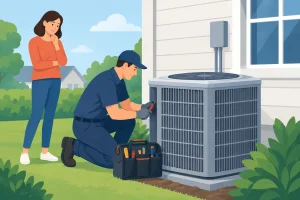
The same is true for HVAC equipment. Weak cooling does not automatically mean the system is finished. A failed capacitor, dirty coil, electrical issue, or refrigerant-related concern can affect performance. A trained technician should inspect the equipment, explain what failed, and let you know whether the repair addresses the root cause or merely buys a little time.
This is why a professional diagnosis matters. It separates a manageable repair from a unit with several costly problems developing at once.
When Repair Is Usually the Better Choice
Repair often makes sense when the appliance has been reliable, the failure is limited to one component, and the repair will restore normal operation. Many common problems fall into this category: oven igniters, refrigerator fans, washer pumps, dishwasher latches, dryer heating parts, and HVAC electrical components can often be replaced without replacing the whole system.
Consider repair when the unit is still within its expected service life and has not needed repeated major work. As a general guide, many kitchen and laundry appliances can provide years of dependable use when maintained and repaired with appropriate parts. HVAC systems may also be good candidates for repair when the equipment is otherwise in sound condition and the issue is isolated.
The cost relationship matters, but it should not be the only deciding factor. People sometimes use a simple rule that a repair is worthwhile if it costs less than half the price of a new unit. That can be useful, but it is not absolute. A repair that costs more than half the replacement price may still be reasonable if a new appliance requires cabinet changes, electrical updates, delivery delays, or installation costs. Conversely, a lower-cost repair may not be wise if the appliance has several other failing parts.
Repair is especially valuable when it avoids unnecessary disruption. A built-in cooktop, wall oven, or refrigerator can be more complicated to replace than a freestanding appliance. Size, finish, venting, water connections, and fit all matter. A quality repair can keep a well-fitting appliance in service and prevent a rushed purchase.
Signs Replacement May Be the Smarter Investment
Replacement becomes more reasonable when repairs are frequent, expensive, or unlikely to provide dependable service for long. If the machine has required several significant repairs in a short period, the next failure may not be far behind. That does not mean every older appliance should be replaced. It means the repair history deserves an honest look.
Safety and parts availability also change the decision. Equipment with serious electrical damage, major corrosion, a compromised sealed refrigeration system, or obsolete parts may not be a practical long-term repair candidate. For HVAC systems, older equipment that uses discontinued refrigerant can make major repairs more costly and less predictable.
Efficiency is another consideration, particularly for refrigerators and air conditioning systems that run for long periods. A newer unit may reduce energy use, but savings should be considered realistically. The monthly utility difference may not justify replacement by itself if an affordable repair will provide several more reliable years. The stronger case for replacement is often a combination of high repair cost, declining performance, repeat issues, and meaningful efficiency gains.
Replacement can also be the right move when your household needs have changed. A growing family may need more refrigerator capacity. A landlord may need a dependable, readily serviceable unit to reduce tenant disruption. A homeowner planning a renovation may prefer to replace an aging appliance before cabinetry or flooring makes future work more difficult.
Age Is Helpful, Not Decisive
Age provides context, not a verdict. A well-maintained appliance can outlast its average life expectancy, while a newer machine can develop a repairable defect. The better questions are: Has this unit been dependable? Is this the first major repair? Are manufacturer-recommended parts available? Will this repair reasonably restore dependable operation?
Use age alongside the appliance’s condition. Look for changes in performance, unusual noise, leaks, inconsistent temperatures, rising energy bills, or repeated error codes. One issue may be normal wear. Several symptoms at once can point to broader deterioration.
For HVAC equipment, maintenance history carries particular weight. Clean filters, clear drain lines, proper airflow, and routine professional service can affect both comfort and equipment life. Neglect does not always require replacement, but it can increase the chance that a repair reveals additional problems.
Ask for a Decision You Can Understand
You should not have to make a costly choice based on a vague statement that an appliance is “old” or “not worth fixing.” Ask what failed, why it failed, what the repair includes, and what risks remain after the repair. A trustworthy technician can explain the answer in plain language.
Before authorizing work, make sure you understand the total approved price, including parts and labor. Ask whether the proposed part is manufacturer-recommended or otherwise appropriate for your model. Ask about the warranty on the repair and whether other worn components could affect reliability.
For a replacement recommendation, ask what makes replacement more practical in your specific case. Is it the cost of the needed repair, unavailable parts, a safety concern, recurring failures, or inefficient operation? A clear answer helps you compare options without pressure.
At Your Appliance Repair, the goal is to give homeowners and property managers a straightforward recommendation, not push a replacement when a lasting repair is available. No repair should begin without your prior approval, and no one should be surprised by hidden charges after the work is done.
A Practical Way to Compare Your Options
When the diagnosis is complete, compare repair and replacement on the same terms. Start with the immediate cost, then consider expected reliability, installation requirements, availability, warranty protection, and the inconvenience of being without the appliance or HVAC system.
A repair may be the clear winner when it is targeted, warrantied, and likely to restore normal service. Replacement may offer better value when the current unit has a history of major failures or needs a repair that does not make sense relative to its remaining life. There is no benefit in choosing the cheapest option today if it creates another emergency tomorrow.
Avoid rushing into a decision because the situation is inconvenient. If your refrigerator, washer, oven, or air conditioner is essential to your household, ask whether a temporary workaround is possible while you review the estimate. That small pause can prevent a costly decision made under stress.
Make the Choice With Confidence
The best repair versus replace decision is one you can explain clearly: you know what failed, what the repair is expected to accomplish, what it will cost, and why the alternative does or does not make more sense. A careful diagnosis and honest recommendation turn an unexpected breakdown into a manageable household decision.
Whether the answer is a targeted repair or a planned replacement, choose the option that gives your home the best chance of dependable, safe operation without wasting your money.