A heating or cooling failure rarely happens at a convenient time. It shows up during a hot Mountain View afternoon, a cold overnight stretch, or when tenants are already asking why the house will not stay comfortable. Regular HVAC maintenance gives your system a better chance of doing its job when you need it most, while helping you catch smaller concerns before they turn into an urgent repair.
Maintenance is not a promise that an older air conditioner or furnace will never need service. Parts still wear out, and unexpected failures can happen. What it does provide is a practical way to protect efficiency, improve reliability, and make informed decisions before a minor issue becomes a major interruption.
What HVAC Maintenance Actually Includes
A complete visit is more than replacing an air filter and leaving. A qualified technician checks how the equipment is operating, looks for conditions that can cause wear or reduced performance, and identifies repairs that may be needed soon.
The exact work depends on whether you have a central air conditioner, heat pump, furnace, ductless system, or a combination of equipment. In general, professional maintenance may include inspecting electrical connections, checking moving components, evaluating thermostat operation, examining the condensate drain, and confirming that the system starts, runs, and shuts down properly.
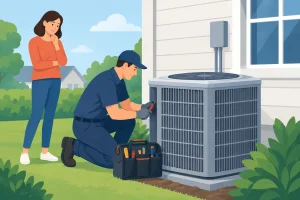
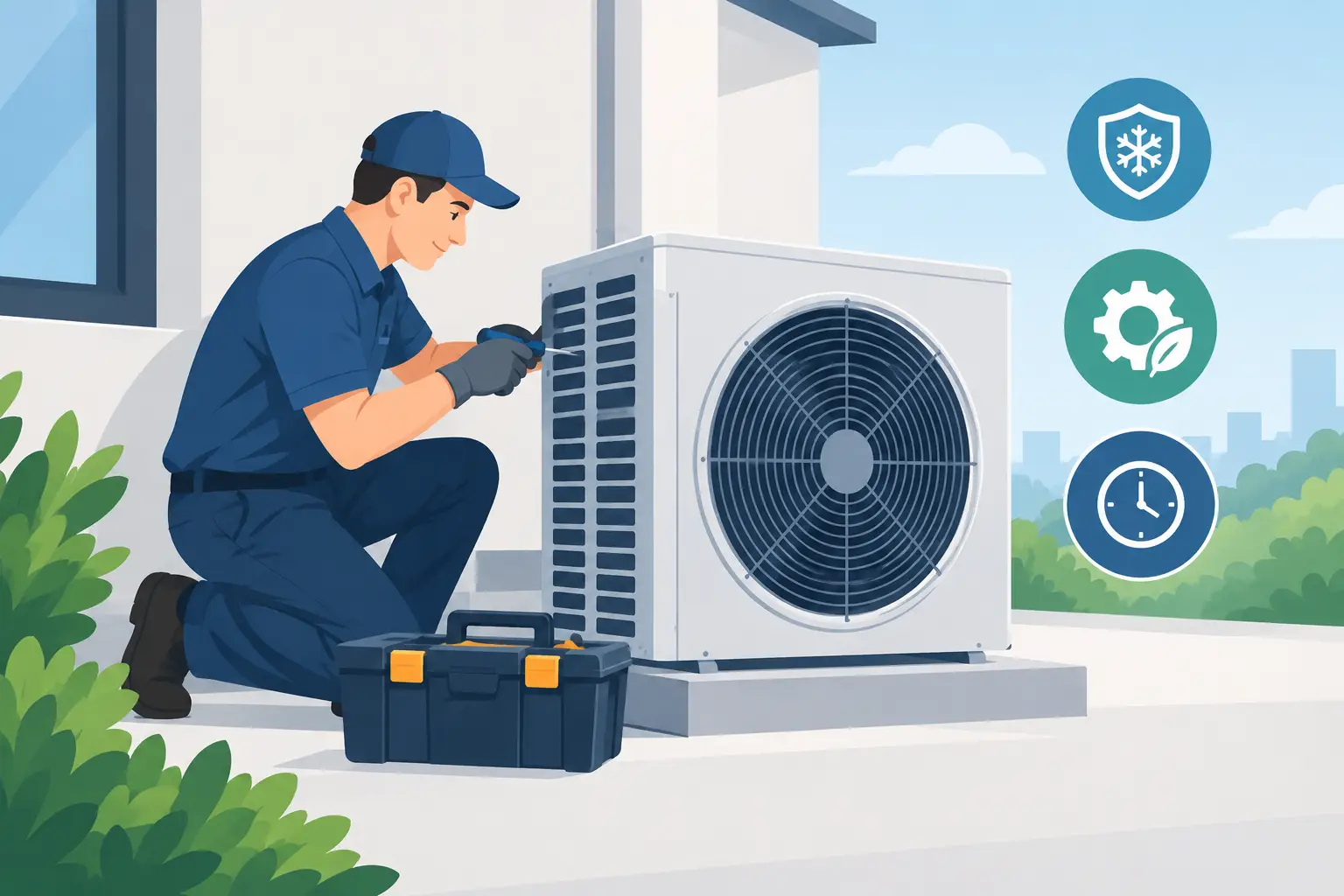
For cooling equipment, the technician may inspect the outdoor unit, indoor coil condition, refrigerant-related performance, and airflow. For heating equipment, the visit may include examining burners, ignition components, safety controls, venting, and the heat exchanger where applicable. These checks matter because a system can still run while operating inefficiently or developing a problem that deserves attention.
If a repair is recommended, you should receive a clear explanation before work begins. Your Appliance Repair will not perform repairs without your prior approval. That means you can understand the issue, review the recommended solution, and decide how to proceed without hidden charges.
Why HVAC Maintenance Saves More Than Energy
The most obvious benefit is often lower energy use. A system with restricted airflow, dirty coils, loose electrical connections, or an overworked motor may need more electricity or fuel to deliver the same comfort. In a region where cooling can run for long periods, even a gradual loss of efficiency can affect monthly utility costs.
The bigger value is avoiding preventable damage. A clogged condensate drain can lead to water problems. A neglected filter can strain the blower and reduce airflow. A worn electrical component can leave the system unable to start. Addressing these conditions early is usually easier than waiting until the equipment stops altogether.
Maintenance also helps protect indoor comfort. When airflow is weak or thermostat readings are inaccurate, some rooms may feel warmer or cooler than others. The cause is not always the HVAC unit itself. Ductwork, vents, insulation, thermostat placement, and system sizing can all affect performance. A careful inspection helps separate a routine maintenance need from a larger comfort issue.
A Practical HVAC Maintenance Schedule
Most homes benefit from professional service twice each year: once before the cooling season and once before the heating season. For a heat pump that provides both heating and cooling, two visits are especially useful because the equipment works throughout the year.
Spring maintenance prepares the air conditioning side of the system for warmer weather. Fall maintenance focuses on safe, dependable heating before temperatures drop. If you recently moved into a home, purchased a property with unknown service history, or manage rental homes, scheduling an inspection sooner can provide a clearer picture of the equipment’s condition.
There are exceptions. A newer system may have fewer immediate concerns, but it still needs routine care to support warranty requirements and long-term performance. An older system may need more frequent attention if it has recurring issues, runs constantly, or has been repaired several times. The right schedule depends on equipment age, usage, household conditions, and prior repair history.
What Homeowners Can Do Between Visits
A few simple habits can make professional HVAC maintenance more effective. The most important is checking the air filter regularly. A filter that is visibly dirty, gray, or loaded with dust should be replaced according to the manufacturer guidance and the needs of your home. Homes with pets, frequent cooking, construction dust, or allergy concerns may need more frequent filter changes.
Keep supply vents and return grilles clear of furniture, rugs, and storage. Closing too many vents does not reliably reduce costs and can interfere with balanced airflow. Outside, keep leaves, weeds, soil, and stored items away from the outdoor condenser or heat pump unit so it can move air properly.
Pay attention to changes rather than trying to diagnose the system yourself. New rattling sounds, repeated cycling, uneven temperatures, musty odors, water near indoor equipment, and unexplained increases in utility bills are all good reasons to schedule service. Turning the system off and on repeatedly or ignoring an unusual noise can make a developing problem worse.
Signs You Should Not Wait for the Next Tune-Up
Some issues are not maintenance items and should be checked promptly. If the system will not turn on, blows warm air in cooling mode, produces no heat when it should, trips a breaker, leaks water, or makes loud grinding or buzzing noises, request a diagnosis.
For gas furnaces, treat possible safety concerns seriously. Turn the system off and seek professional help if you smell gas, notice soot or burning odors, or have concerns about carbon monoxide. Carbon monoxide detectors should be installed and maintained according to their instructions. Do not try to repair combustion-related components on your own.
A repair recommendation does not automatically mean replacement is necessary. The decision depends on the nature of the problem, the age and condition of the equipment, repair cost, efficiency, and whether the system has a pattern of failures. A reliable technician should explain the trade-offs clearly instead of pressuring you toward work you do not need.
What to Expect From a Professional Service Visit
A maintenance appointment should leave you with useful information, not confusion. The technician should arrive on time, respect your home, inspect the equipment carefully, and communicate in plain language. If they find a concern, ask what part is affected, what could happen if it is left alone, and whether the repair is urgent or can be planned.
It is also reasonable to ask whether manufacturer-recommended replacement parts are available and what warranty protection applies to completed work. Quality parts and accountable workmanship matter because the goal is not simply to get the system running for a day. The goal is a repair that holds up.
For landlords and property managers, documented service is particularly valuable. It helps establish maintenance history, supports faster decisions when tenants report a problem, and reduces the chance that a small issue turns into a no-heat or no-cooling complaint at the worst possible time.
Keep Comfort From Becoming an Emergency
Your HVAC system works quietly in the background until it does not. Scheduling maintenance before peak heating or cooling demand gives you more control over cost, timing, and comfort. It also gives a trained technician the opportunity to find concerns while there is still time to address them on your terms.
If your system is overdue for service or has started acting differently, do not wait for a complete breakdown to get answers. Choose a local repair team that explains the work, gets your approval first, and stands behind the repair so you can get back to a comfortable home with fewer surprises.