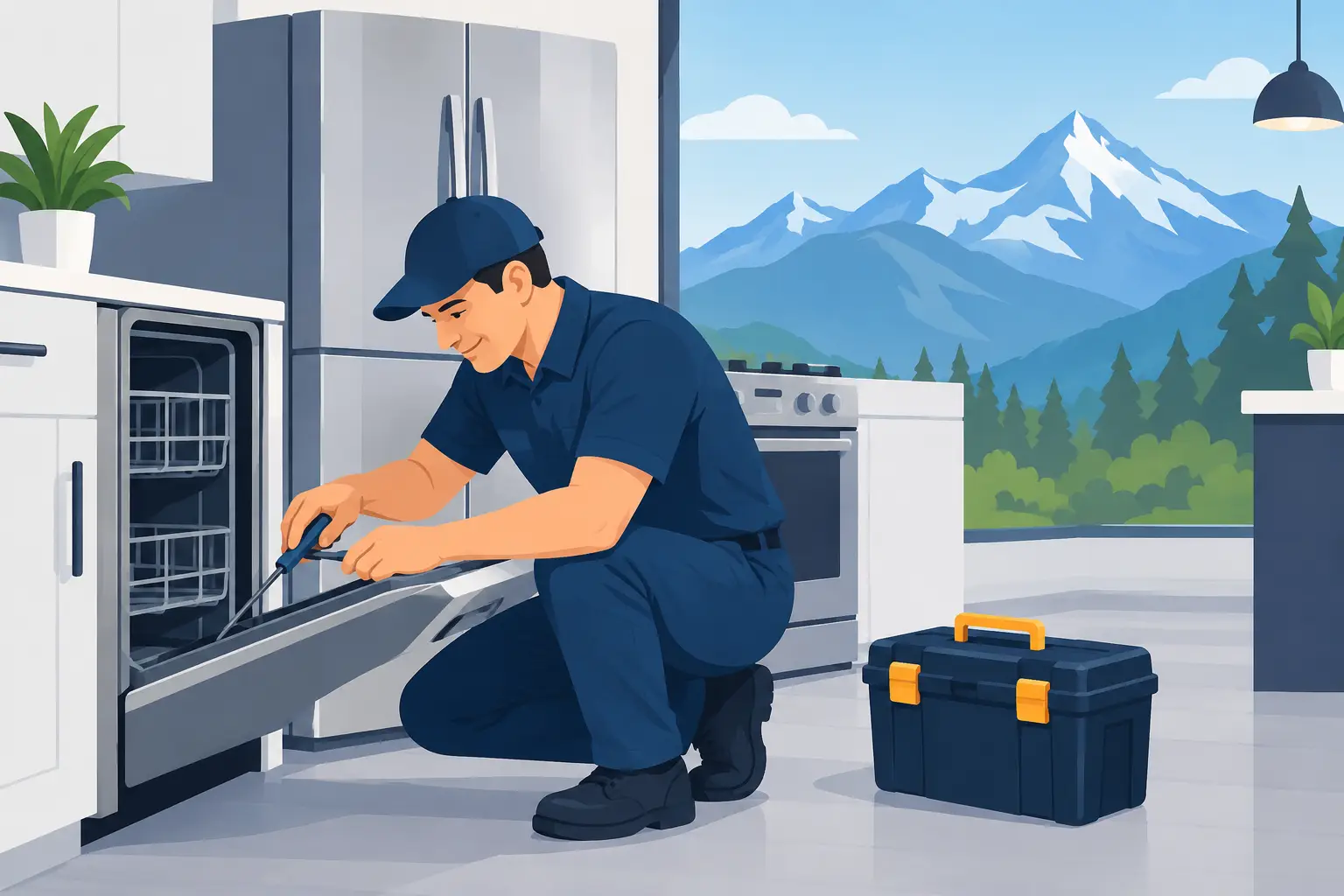
A refrigerator that stops cooling before a busy week, a washer that will not drain, or an air conditioner that quits during a warm afternoon is more than an inconvenience. Mountain View appliance technicians should help remove the uncertainty quickly: identify the real problem, explain the repair in plain language, and let you approve the work before anything begins.
A dependable repair visit is not just about getting an appliance to turn back on. It is about protecting your home, your schedule, and your budget. Whether you own a home, rent an apartment, or manage several properties, you deserve a technician who arrives prepared, treats your space with care, and stands behind the completed repair.
What a Dependable Repair Visit Should Look Like
When an essential appliance fails, it is tempting to choose the first available service provider. Fast availability matters, especially when food, laundry, cooking, or indoor comfort is affected. But speed without a careful diagnosis can lead to repeat breakdowns, unnecessary parts, and another appointment you did not plan for.
A qualified technician starts by listening. Details such as an unusual noise, an error code, a leak, a burning smell, or an intermittent failure can help narrow the diagnosis. The technician should then inspect the appliance, test the relevant components, and explain what caused the issue. A clear explanation is especially valuable when a repair is optional rather than urgent.
Before repairs begin, you should know the expected cost and what work is being recommended. No hidden charges. No surprise part installation. No pressure to approve work you do not understand. A professional service company will not perform repairs without your prior approval.
Repairs That Protect the Appliances You Depend On
Most household appliances are used so often that a small failure can disrupt the entire day. Refrigerators protect groceries and medications. Washers and dryers keep family routines moving. Dishwashers reduce the work after every meal. Ovens and cooktops make it possible to prepare food at home. HVAC equipment affects sleep, comfort, and indoor safety.
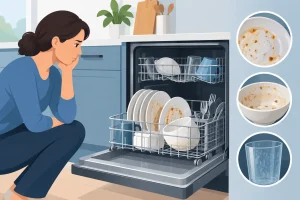
The right repair depends on the appliance’s age, condition, brand, and the source of the problem. A dishwasher that is not cleaning well may need a simple correction such as clearing a spray arm or replacing a worn seal. It may also have a circulation, heating, or control issue that requires more detailed testing. Replacing parts based on guesswork is not a repair strategy.
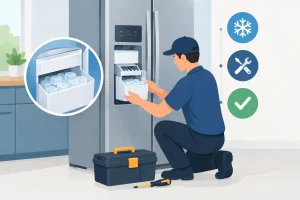
The same is true for refrigeration. A refrigerator running constantly could have a dirty condenser area, damaged door gasket, defrost problem, fan issue, or compressor-related concern. Each possibility has a different repair path and cost. Accurate diagnosis protects you from paying for a part that does not solve the actual problem.
Manufacturer-recommended replacement parts matter because they are designed for the appliance’s specifications. Less expensive alternatives may sometimes be appropriate, but there can be trade-offs in fit, longevity, performance, and warranty coverage. A technician should explain those trade-offs honestly so you can make an informed decision.
When Repair Makes More Sense Than Replacement
Replacing an appliance can be the right choice, but it is not automatically the best choice. If the appliance is relatively new, has been reliable, and requires a targeted repair, fixing it often makes practical financial sense. Repair can also avoid the time and expense of shopping, delivery, installation, and disposal.
Replacement may be worth considering when the appliance has repeated major failures, repair costs are high compared with its remaining useful life, or replacement parts are no longer available. A trustworthy technician should be comfortable telling you when repair is not the strongest option. Honest advice builds the kind of long-term relationship that homeowners and property managers need.
Questions to Ask Mountain View Appliance Technicians
You do not need technical experience to hire a repair professional confidently. The best questions focus on accountability and communication.
Ask whether the company services your appliance category and brand. Ask how the technician will confirm the diagnosis before replacing parts. Ask whether you will receive pricing and approval options before work begins. It is also reasonable to ask about labor and parts coverage, plus what happens if the same issue returns.
Scheduling standards matter, too. A service call should not require you to lose an entire day waiting without updates. Clean, courteous technicians and on-time arrival practices show respect for your home and your time. For landlords and property managers, dependable scheduling also helps reduce tenant disruption and keeps maintenance requests from escalating.
Finally, ask whether the company can support more than one appliance type. A household may need help with an oven today, a dryer next month, and HVAC equipment later in the year. A local service provider with broad residential repair experience can be a useful partner when several systems need attention.
Signs You Should Schedule Service Promptly
Some appliance problems can wait briefly. Others can create property damage, food loss, electrical concerns, or safety risks. Do not ignore water around a washer, dishwasher, refrigerator, or HVAC system. Even a slow leak can damage flooring, cabinets, drywall, or a neighboring unit.
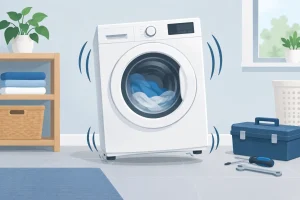
Schedule service promptly if you notice burning odors, sparks, repeated tripped breakers, gas odors, smoke, severe vibration, or an appliance that will not shut off. If you smell gas, leave the area, avoid switches or flames, and contact the appropriate emergency utility service before arranging appliance repair.
For refrigeration, move perishable food to a safe cold location if the unit cannot maintain temperature. For dryers, stop using the machine if clothes take multiple cycles to dry or if you notice a hot, burning smell. Restricted airflow, heating problems, and mechanical failures should be inspected rather than worked around.
Simple Steps Before the Technician Arrives
A little preparation can make the appointment more efficient. If it is safe to do so, write down the model number, the symptoms you have noticed, and when the problem began. Error codes, photos of leaks, and short videos of unusual noises can be helpful when a failure occurs intermittently.
Clear a reasonable path to the appliance and remove fragile items from nearby counters or shelves. For a refrigerator, make space around the unit if access is needed. For laundry equipment, avoid disconnecting hoses or moving a heavy machine yourself unless you can do so safely. The goal is not to diagnose the appliance on your own. It is to give the technician safe access and useful information.
If you are a landlord or property manager, make sure the resident knows the appointment window and understands any needed access arrangements. Good communication prevents missed visits and helps the repair move forward without delay.
Repair Coverage Is Part of the Service
A completed repair should come with more than a working appliance at the moment the technician leaves. Labor and replacement parts should be protected by a clear guarantee. Workmanship coverage adds another layer of confidence because repairs occasionally reveal a related issue that was not apparent during the initial visit.
Read the warranty terms and ask what is covered, for how long, and whether extended coverage is available. A 90-day workmanship warranty can provide meaningful reassurance after a repair, while paid extended-warranty options may make sense for appliances that are costly to replace or heavily used. The best choice depends on the appliance, the repair performed, and your comfort with future risk.
Your Appliance Repair is built around the standard customers should expect: trained technicians, upfront approval, manufacturer-recommended parts, and repairs backed by labor and parts protection. The goal is simple – make this the last call you need to make for the problem.
When an appliance or HVAC system interrupts your routine, choose service that treats the repair as more than a transaction. Clear answers, approved pricing, careful work, and lasting accountability can turn a stressful breakdown into a problem you can put behind you.