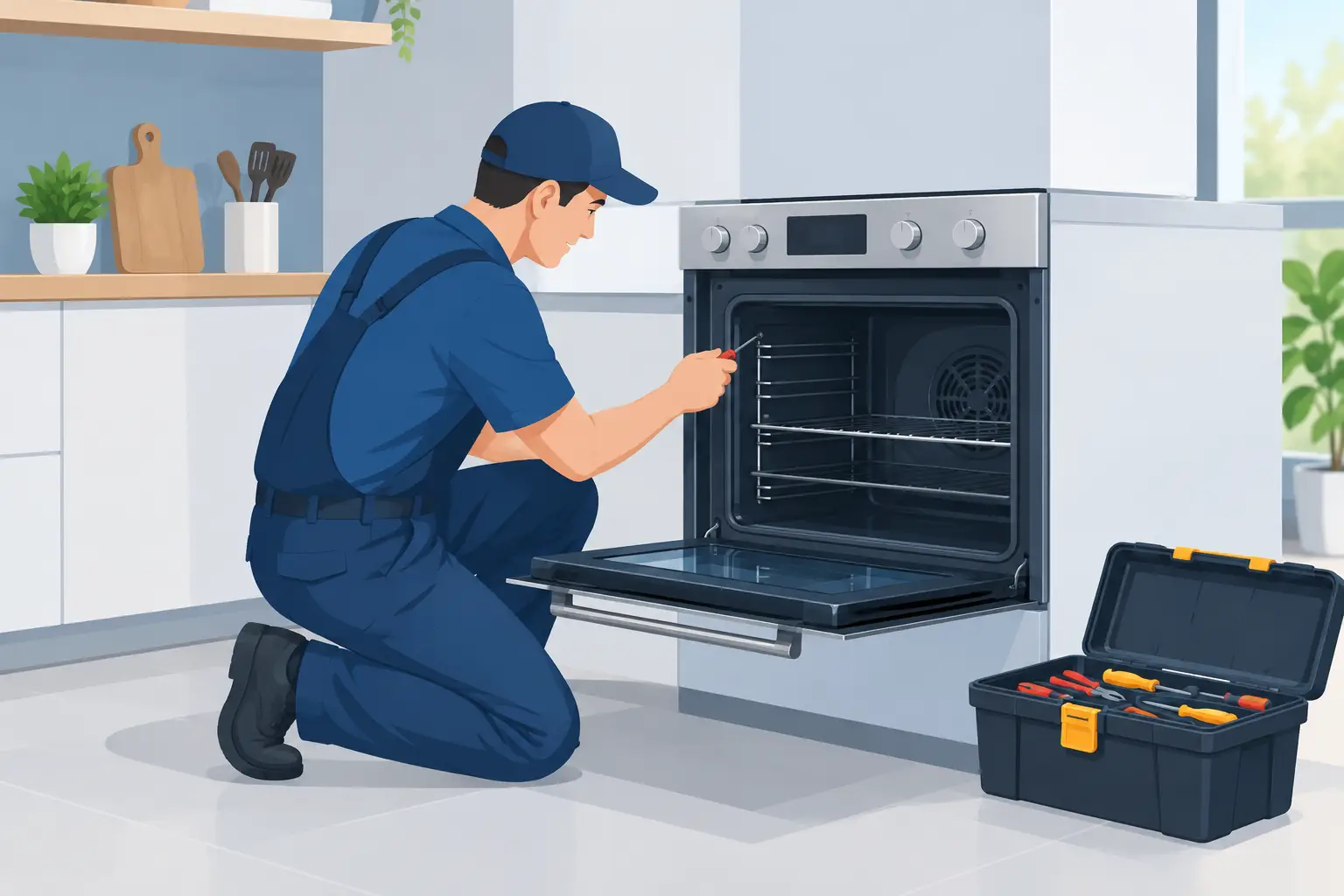
A failed oven rarely happens at a convenient time. Dinner plans change, tenants need answers, and a kitchen that worked yesterday suddenly becomes a source of stress. The best oven repair companies do more than get heat back into the appliance. They diagnose the real problem, explain the repair clearly, provide a price before work begins, and stand behind what they fix.
For homeowners, renters, landlords, and property managers, choosing a repair company should not feel like a gamble. A low service-call price may look attractive, but it does not tell you whether the technician will arrive on time, use appropriate parts, or charge unexpected fees after the appliance is already taken apart. A dependable repair should protect your household and your budget.
What the Best Oven Repair Companies Do Differently
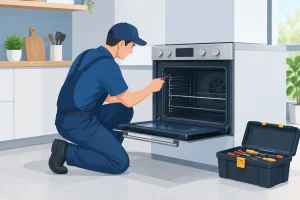
A professional oven repair visit begins with diagnosis, not guesswork. Modern electric and gas ovens can fail for several reasons: a burned-out bake element, damaged igniter, faulty temperature sensor, failed control board, loose wiring, or a door that no longer seals properly. The same symptom, such as an oven that will not heat, can have several causes. Replacing a part without testing the appliance can waste time and money.
The right company sends a trained technician who can identify the cause, explain it in plain language, and tell you whether repair makes financial sense. That last point matters. If an older oven has multiple expensive failures or a discontinued control board, replacement may be the better decision. A trustworthy technician will not pressure you into a repair that is unlikely to last.
Reliable companies also respect the home they enter. Customers should expect a clean, courteous technician, a scheduled arrival window that is honored, and clear communication if anything changes. For busy households and occupied rental properties, a missed appointment is not a minor inconvenience. It can mean time away from work, a delayed move-in, or an unhappy tenant.
Clear approval comes before repair work
A diagnosis should lead to an upfront explanation of the recommended repair, the parts required, and the total approved cost. There should be no hidden charges and no surprise work added without permission. If additional damage is found after a repair begins, the technician should stop, explain the new issue, and get approval before moving forward.
Ask whether the diagnostic fee is applied toward a completed repair and whether the estimate covers labor, parts, and any applicable service charges. A company that answers these questions directly is showing you how it handles accountability before you ever authorize the job.
Quality parts help a repair last
Not every replacement part is equal. A proper repair uses manufacturer-recommended or high-quality compatible parts suited to the appliance model. This is especially important for oven igniters, heating elements, thermostats, sensors, and electronic control boards, where the wrong part can cause poor performance, repeat failures, or safety concerns.
The fastest repair is not always the best repair. A company may need to order a specific part rather than install a generic substitute. That can mean waiting a little longer, but it may be the better choice when the goal is a dependable repair instead of a temporary fix.
Questions to Ask Before You Book Oven Repair
You do not need technical knowledge to hire a capable oven repair service. A few practical questions can quickly reveal whether a company values clear communication and lasting work.
First, ask whether the company services your oven’s brand and fuel type. Gas and electric ovens have different components and safety requirements. A technician who is comfortable with one type of appliance may not be the best fit for another. If you have a wall oven, range, double oven, or combination unit, confirm that the company handles that specific style as well.
Next, ask about warranty coverage. A repair warranty should clearly state what is covered, how long coverage lasts, and what happens if the same issue returns. Labor and parts guarantees offer meaningful protection because they show that the company is willing to take responsibility for its work. Some companies also offer extended warranty options for customers who want longer coverage.
It is also reasonable to ask about scheduling and communication. Will someone call before arrival? Is there a defined appointment window? What happens if a needed part must be ordered? The answers matter because an honest timeline is more useful than a promise that cannot be kept.
Finally, pay attention to how the company discusses safety. If you smell gas, see sparks, notice smoke, or suspect damaged electrical wiring, stop using the oven and seek professional help promptly. A responsible repair provider will take those warnings seriously rather than encourage you to keep testing the appliance at home.
When Repair Is Usually the Smart Choice
Many oven problems are repairable at a reasonable cost, particularly when the appliance is otherwise in good condition. A failed bake or broil element, weak gas igniter, malfunctioning temperature sensor, damaged door gasket, or worn relay can often be corrected without replacing the entire unit.
Repair is particularly sensible when the oven is relatively new, has performed well until the current failure, and does not have a history of repeated breakdowns. Built-in wall ovens may also be worth repairing because replacement can involve cabinet modifications, electrical work, and a more complicated installation.
The decision changes when repairs become frequent or when a major component costs a large share of a new appliance. Age alone does not decide the issue. A well-built older oven with an available replacement part may have years of useful service left. On the other hand, a newer model with a costly, unavailable electronic control board may not be economical to restore. A good technician will give you the information needed to choose, without making the choice for you.
Red Flags That Can Cost You More
Be cautious of companies that quote a complete repair price before anyone has inspected the appliance. A service provider can discuss typical costs, but a firm total without a diagnosis can lead to inflated charges later or a rushed repair based on assumptions.
Another warning sign is vague pricing. If a company cannot explain its diagnostic fee, labor policy, parts markup, or warranty terms, you may not know the actual cost until the end of the appointment. Clear policies are not an extra. They are part of professional service.
Also be careful with a repair recommendation that comes with no explanation. You should not need a lesson in appliance engineering, but you deserve to know what failed, why the proposed part is needed, and what result to expect. A technician who communicates clearly gives you a basis for approving the work with confidence.
Local Service Should Feel Accountable
For customers in Mountain View and nearby communities, local repair service has a practical advantage: the company understands that its reputation depends on the next appointment, the next referral, and the next call from a property manager. Accountability shows up in small details – arriving as promised, protecting the work area, returning when a part comes in, and answering the phone after the repair is complete.
Your Appliance Repair approaches oven service with that standard in mind. Repairs are explained before work starts, approval is required before repairs are performed, and labor and parts are guaranteed. The goal is not simply to get an oven running for the evening. It is to provide a repair you can rely on after the technician leaves.
If your oven is heating unevenly, taking too long to preheat, failing to ignite, or displaying an error code, do not let a small problem turn into a bigger interruption. Choose a company that treats your time, home, and approval as part of the repair itself.