A refrigerator that will not stay cold, a washer that stops mid-cycle, or an oven that will not heat can throw off an entire household in a matter of hours. When you need appliance repair Hennessey homeowners can depend on, the goal is not simply to get a machine running again. It is to get a clear answer, an approved repair plan, and confidence that the work is built to last.
A broken appliance is frustrating because it is rarely convenient. Groceries are at risk, laundry piles up, meals change, and tenants may need quick answers. The right repair service reduces that pressure by arriving when promised, diagnosing the actual issue, and explaining the options before any work begins.
When Appliance Repair in Hennessey Makes Sense
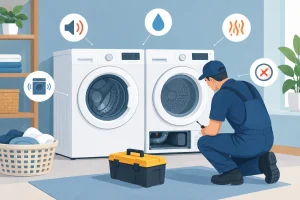
Many appliance problems have warning signs before they become a complete breakdown. A dryer may take two cycles to dry a load. A dishwasher may leave standing water at the bottom. A refrigerator may run constantly or develop frost where it should not. These symptoms are worth addressing early, especially when the appliance is essential to daily routines.
Repair is often the sensible choice when the unit is still within a reasonable portion of its expected lifespan and the needed part is available. A trained technician can identify whether the problem involves a worn component, a drainage issue, a heating element, a thermostat, a control board, or another repairable failure. The diagnosis matters. Replacing parts based on guesswork can cost more without solving the problem.
Replacement may make more sense when an appliance has repeated major failures, has become expensive to maintain, or needs a repair that approaches the cost of a comparable replacement. Age alone is not always the deciding factor. A well-built appliance with a straightforward failed part can be worth repairing, while a newer machine with extensive damage may not be. An honest recommendation should account for the condition of the appliance, the cost of the repair, and your plans for the home.
Problems That Should Not Wait
Some issues can cause more damage or create a safety concern if they are ignored. If your refrigerator is not keeping food at a safe temperature, move perishable food to another working refrigerator or cooler as soon as possible. If a washer is leaking, turn off its water supply to help prevent floor and wall damage.
For a gas oven or cooktop, the smell of gas calls for immediate caution. Do not attempt to repair it yourself. Leave the area if necessary, avoid switches or open flames, and follow the appropriate gas safety guidance before scheduling service. Electrical burning odors, sparks, tripped breakers, or smoke also require the appliance to be turned off and left unused until it can be inspected.
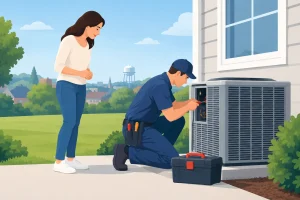
HVAC trouble deserves prompt attention as well, particularly during periods of extreme heat or cold. Weak airflow, unusual noises, short cycling, frozen components, or a system that will not start are all reasons to have the equipment evaluated. Delaying service can turn a smaller repair into a larger one and leave your household without dependable comfort.
What a Professional Repair Visit Should Look Like
The best repair experience begins before the technician arrives. You should receive a reasonable appointment window and communication that respects your schedule. A repair professional entering your home should be courteous, clean, and prepared to work carefully around your space.
Once on site, the technician should listen to what you have noticed, inspect the appliance, and perform the appropriate diagnostic checks. Details help. Let them know when the issue began, whether it happens during every cycle, what sounds or error codes you have seen, and whether another repair has already been attempted.
After diagnosing the issue, the technician should explain the recommended repair in plain language. You do not need an engineering lesson, but you do deserve to understand what failed, what part or service is needed, and what the repair will cost. No repairs should be performed without your prior approval.
Clear approval protects your budget. It prevents the uncomfortable surprise of discovering added work or charges after the job is complete. Ask whether the quoted price includes parts, labor, and applicable service fees. If a repair requires a part order, ask about expected timing and whether a return visit will be needed.
Why the Right Parts and Warranty Matter
Not all replacement parts offer the same fit, durability, or performance. Manufacturer-recommended parts are designed for the appliance model and help support a repair that performs as intended. A lower-cost substitute can sometimes be appropriate, but you should know what is being installed and why it is recommended.
Warranty coverage also changes the value of a repair. A company that stands behind its labor and parts gives customers a measure of protection after the technician leaves. Ask what the warranty covers, how long it lasts, and what to do if the same issue returns. Some repair services also offer extended warranty options for homeowners and property managers who want longer protection.
A warranty is not a substitute for an accurate diagnosis, but it is a meaningful sign of accountability. Quality work should not leave you wondering whether you will need to pay again next week for the same unresolved problem.
Preparing for the Technician’s Arrival
A few minutes of preparation can help the appointment move more efficiently. Clear a path to the appliance and remove items that block access, such as laundry baskets in front of a washer or food stored directly around a refrigerator. If possible, write down the model number and any error codes. The model tag is commonly found inside a refrigerator compartment, around a dishwasher door frame, behind a dryer door, or on the appliance back panel.
For refrigeration repairs, avoid unplugging the unit unless instructed to do so or unless there is a safety concern. The way it is operating when the technician arrives can provide useful clues. For washers, dryers, dishwashers, ovens, and cooktops, avoid running another cycle after a serious symptom such as smoke, sparking, leaking, or a strong burning smell.
Renters should notify the landlord or property manager according to the lease requirements. Property managers can speed up service by sharing unit access instructions, tenant contact information, appliance model details, and a clear description of the complaint before the appointment.
Common Appliances Worth Repairing
Most households rely on several major appliances every day, and each failure affects a different routine. Refrigerators and freezers protect food. Washers and dryers keep clothing manageable. Dishwashers reduce kitchen cleanup. Ovens, cooktops, and ranges make regular meals possible. These systems often have repairable components even when the appliance appears completely unusable.
For example, a dishwasher that will not drain may have a blockage, pump issue, or failed drain component. A dryer with no heat may need attention to its heating system, thermostat, or venting conditions. An oven that heats unevenly may have a failed element or sensor. Refrigeration problems can involve airflow, defrost components, fans, seals, controls, or the cooling system itself.
The right answer depends on the appliance and the symptom. That is why a professional diagnosis is more valuable than a general guess from a video or a neighbor’s similar experience.
Choosing a Repair Company With Confidence
When comparing appliance repair options, look beyond the first available appointment. Dependability is shown in practical details: clear scheduling, respectful technicians, upfront approval, appropriate replacement parts, and written warranty terms. These standards matter as much as technical skill because your home, time, and budget are all involved.
Be cautious with vague pricing or promises that avoid specifics. A reputable company should be comfortable explaining its diagnostic process and repair recommendation. You should never feel pressured into work you do not understand. Free estimates with completed repairs can also help you make a decision without feeling penalized for asking for clarity.
For households facing a sudden breakdown, the most helpful next step is simple: document the symptom, stop using the appliance if there is a safety risk, and schedule a professional evaluation. A careful repair can restore more than an appliance. It can restore the routine your home depends on.