A cold oven can turn a simple dinner into takeout, disrupt meal prep for the week, or create a real problem for a rental property. When you need oven not heating repair Hennessey residents can depend on, the goal is not a guess or a temporary workaround. The goal is an accurate diagnosis, a clear repair recommendation, and a working oven you can use with confidence.
An oven may appear to be getting power while still failing to produce enough heat to cook safely. The clock may work, the interior light may turn on, and the display may look normal. Those signs do not necessarily mean the heating system is functioning correctly. A trained technician can identify what failed, explain the options plainly, and get approval before any repair begins.
Why an Oven Can Stop Heating
The cause depends on whether you have an electric or gas oven, how the unit behaves, and whether the problem affects bake, broil, or both settings. In many cases, the issue is repairable. The key is avoiding unnecessary parts replacement before the real cause is confirmed.
Common electric oven problems
Electric ovens rely on heating elements, temperature sensors, wiring, relays, and an electronic control system working together. A burned-out bake element is a common reason an oven will not heat on the bake setting. It may show visible blistering, cracks, or a damaged section, but not every failed element looks broken from the outside.
A faulty temperature sensor can also cause trouble. The oven may heat too slowly, stop short of the selected temperature, or cycle unpredictably. In other cases, the control board or relay is not sending power to the element even though the display says the oven is preheating. Loose or heat-damaged wiring can produce similar symptoms.
If the oven has no heat at all, a tripped breaker, damaged power cord, or incomplete 240-volt power supply may be involved. An electric range can still display lights and operate certain features when one side of its power supply has failed. This is one reason a visual inspection alone is not enough.
Common gas oven problems
Gas ovens need reliable ignition, proper gas flow, and safe flame operation. A weak or failed igniter is one of the most frequent causes of a gas oven that will not heat. You may hear the oven attempt to start, notice a delayed ignition, or see the burner fail to light altogether.
A faulty gas valve, control component, or wiring issue can also prevent heating. Because gas appliances involve combustion and ignition systems, repairs should be handled carefully. If you smell gas, turn the appliance off, avoid switches or open flames, leave the area if necessary, and contact the appropriate gas utility or emergency service before scheduling appliance repair.
What to Check Before Scheduling Repair
A few safe checks can help you describe the problem clearly. Confirm that the oven is set to Bake rather than a timed, delayed, warming, or self-cleaning mode. Verify the household breaker has not tripped. For a gas oven, make sure the appliance’s gas supply valve has not been turned off.
Then notice the pattern. Does the broiler heat while bake does not? Does the oven preheat but never reach the selected temperature? Does it heat for a few minutes and then shut down? Does the range top work while the oven stays cold? Those details help narrow the diagnosis.
Do not remove panels, touch wiring, bypass safety switches, or attempt to test live electrical components. An oven uses high voltage, and gas models add fuel and ignition risks. Replacing a part based on an online guess can also cost more than a professional diagnosis, especially when the replacement does not solve the problem.
Oven Not Heating Repair in Hennessey: What a Proper Visit Looks Like
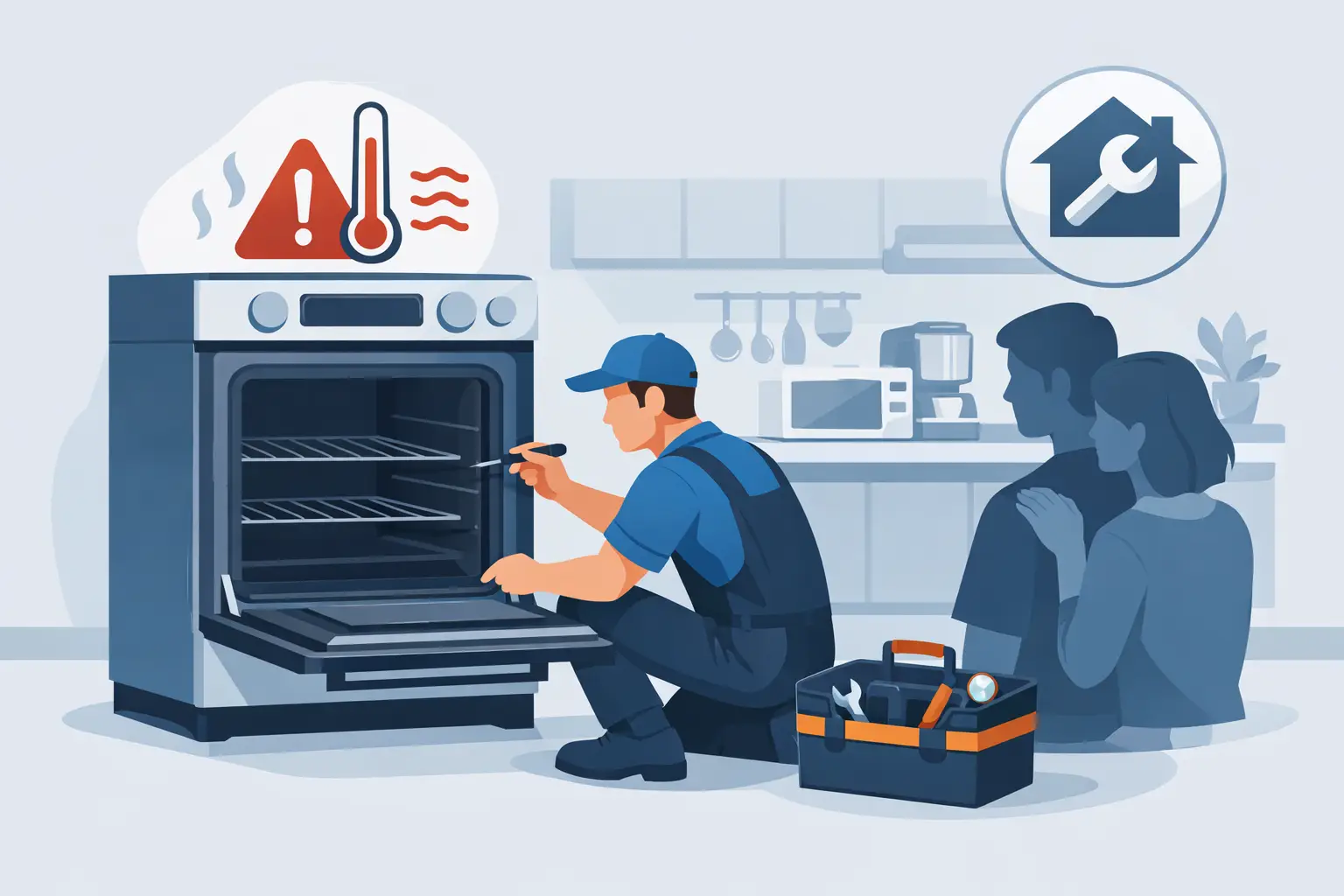
A dependable repair visit should start with listening to what the oven has been doing, not immediately replacing the most common part. The technician should check the appliance’s power or gas supply, test the relevant heating and control components, and verify the reason the oven is failing to heat.
Once the problem is identified, you should receive a straightforward explanation of the recommended repair. This is where pricing matters. You should know what work is needed and what it will cost before work begins. No hidden charges and no repairs without prior approval make a stressful service call much easier to manage.
The part used matters as well. Manufacturer-recommended replacement parts are designed to fit and operate correctly with the appliance. A compatible part may sometimes be appropriate, but the decision should be based on the model, availability, cost, and expected repair life, not on cutting corners.
After the repair, the oven should be tested through a proper heating cycle. For an electric model, that may include confirming element operation and temperature response. For a gas model, it includes confirming reliable ignition and normal burner operation. A repair is not complete simply because a display turns on.
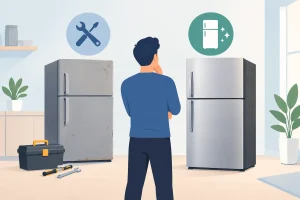
Repair or Replace? The Decision Depends on the Failure
Most heating issues do not automatically mean you need a new oven. A failed element, igniter, sensor, relay, or wiring connection is often a sensible repair when the rest of the appliance is in good condition. Repair can be especially practical when the oven matches the kitchen, the range top works well, and a replacement would require cabinet, electrical, or gas-line changes.
Replacement can make more sense when the oven has repeated failures, extensive control-board damage, serious rust or structural deterioration, or a repair cost that is too high compared with the appliance’s age and condition. Parts availability also matters. Some older models have discontinued components that make a lasting repair difficult.
There is no single age at which every oven should be replaced. A well-maintained appliance with one failed component may have years of useful service left. A technician should give you the facts, explain the trade-off, and let you decide without pressure.
Protect Your Kitchen and Your Schedule
A broken oven affects more than dinner. It can mean missed family meals, disrupted holiday plans, unhappy tenants, or a kitchen that cannot function as it should. Prompt service helps prevent a small issue from becoming a longer interruption.
Your Appliance Repair is built around a simple promise: reliable work, clear communication, and respect for your home. Customers should expect clean, courteous technicians who arrive on time, provide an upfront recommendation, and protect completed repairs with labor and parts guarantees. An additional 90-day workmanship warranty provides extra reassurance, while extended warranty options can be considered when longer coverage makes sense.
If your oven is not heating, do not settle for repeated resets or uncertain fixes. Schedule a professional diagnosis, approve the repair only when the plan is clear, and get back to cooking with an oven that performs the way it should.