A furnace failure rarely happens at a convenient time. It usually shows up when the house is cold, the thermostat is set correctly, and your family needs heat now. For furnace repair Hennessey Oklahoma homeowners can depend on, the first priority is a safe, accurate diagnosis followed by a clear explanation of what needs to be fixed and what it will cost.
A furnace may stop heating completely, but many problems begin with smaller warning signs. Catching them early can help you avoid a no-heat emergency, limit damage to other components, and make a more informed decision about repair or replacement.
Signs You May Need Furnace Repair in Hennessey, Oklahoma
Some furnace issues are obvious. Cold air coming from the vents, a system that will not start, or a thermostat that never reaches the set temperature all call for attention. Other signs are easy to dismiss until the problem gets worse.
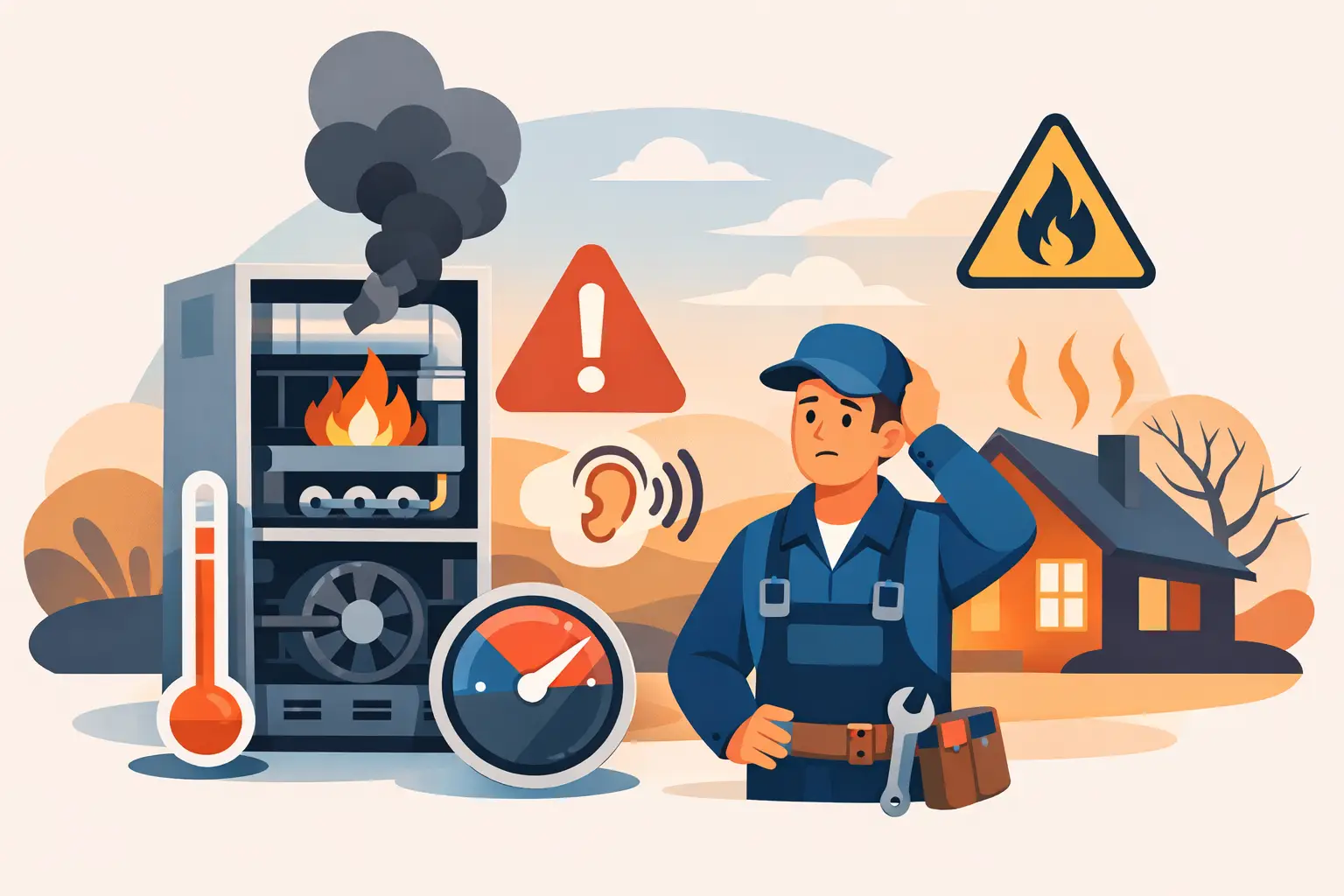
Pay attention if your furnace starts and stops repeatedly, runs far longer than usual, makes new banging or squealing sounds, or creates uneven temperatures between rooms. A sudden increase in utility bills can also point to a furnace that is working too hard because of restricted airflow, a failing part, or poor system performance.
A burning smell when a furnace first runs after a long break can simply be dust burning off. That smell should fade quickly. A persistent electrical, plastic, oil, or fuel-like odor is different. Turn the system off and arrange for professional service rather than hoping the smell goes away.
If you have a gas furnace and smell gas, leave the home immediately if it is safe to do so. Do not operate light switches, appliances, or anything that could create a spark. Contact the gas utility or emergency services from outside, then have the furnace inspected before using it again.
Do Not Ignore Carbon Monoxide Protection
Fuel-burning furnaces must vent combustion gases safely outside. A damaged heat exchanger, blocked vent, or combustion issue can create a serious carbon monoxide risk. Every home with a gas furnace should have working carbon monoxide detectors, especially near sleeping areas.
Symptoms such as headaches, dizziness, nausea, or confusion can have many causes, but they should never be ignored when a furnace is running. If a carbon monoxide alarm sounds, get everyone outside, call emergency services, and do not reenter until authorities say it is safe.
Safe Checks to Make Before Scheduling Service
Homeowners can complete a few simple checks without taking apart the furnace. Confirm that the thermostat is set to Heat and that the temperature setting is above the current room temperature. Replace thermostat batteries if applicable, and make sure the furnace switch has not been turned off accidentally.
Next, check the electrical panel for a tripped breaker. If the breaker trips again after you reset it once, stop resetting it. Repeated trips can indicate an electrical problem that needs professional diagnosis.
A dirty air filter is another common cause of poor heating and short cycling. Replace a clogged filter with the correct size and type recommended for your system. Keep supply vents open and clear of rugs, furniture, and boxes. Restricted airflow can overheat a furnace and cause it to shut down for safety.
For high-efficiency furnaces, look outside to make sure the intake and exhaust pipes are not blocked by leaves, debris, or ice. Do not attempt to disassemble panels, bypass safety switches, or relight a pilot system unless you know your equipment’s proper procedure. A quick guess can turn a manageable repair into a larger problem.
What a Proper Furnace Diagnosis Should Include
Furnaces have several connected systems: thermostat controls, electrical connections, ignition components, gas delivery or heating elements, blower motors, safety switches, filters, drains, and venting. A furnace that will not heat might have one failed part, but the symptom alone does not reveal the full cause.
A qualified technician should inspect the system rather than simply replacing the first part that looks suspicious. For example, a furnace that keeps shutting off may have a dirty flame sensor, a clogged filter, a pressure-switch issue, a venting problem, or a blower-related airflow failure. The right repair depends on the source of the problem.
You deserve a plain-language explanation once the diagnosis is complete. Ask what failed, why it likely failed, what repair is recommended, and whether there are additional concerns that may affect reliability. A dependable service company will provide the price for approval before work begins. There should be no hidden charges and no surprise repair decision made on your behalf.
When parts are needed, manufacturer-recommended replacement parts can make a meaningful difference. The lowest-cost part is not always the best value if it compromises fit, performance, or the expected lifespan of the repair. The right choice depends on the furnace model, the availability of the part, and the condition of the overall system.
When Furnace Repair Makes Sense and When Replacement May Be Better
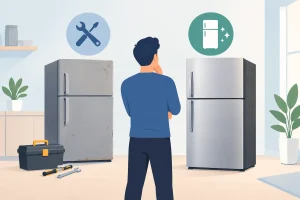
Most furnace problems do not automatically mean you need a new furnace. Replacing an igniter, flame sensor, capacitor, blower component, control board, or thermostat can often restore dependable heating. A repair is usually a sensible option when the system has been maintained, the failure is isolated, and the repair cost is reasonable compared with the furnace’s remaining service life.
Replacement becomes a more serious conversation when the furnace has frequent breakdowns, has a cracked heat exchanger, performs poorly despite repeated repairs, or is nearing the end of its expected lifespan. Older systems can also be less efficient, which may keep monthly heating costs higher than necessary.
There is no one rule based on age alone. A well-maintained furnace may justify repair, while a newer unit with a major safety-related issue may require a different decision. Ask for an honest assessment that separates an immediate safety repair from optional improvements. That gives you room to make the right choice for your household and budget.
What Reliable Furnace Service Should Feel Like
A broken furnace already disrupts your home. Getting it fixed should not add confusion, mess, or pressure. Look for service built around dependable scheduling, courteous technicians, clean work areas, and clear communication from the first call through completed testing.
The technician should arrive prepared to diagnose the problem, explain the recommended repair in terms you understand, and obtain your approval before proceeding. After the repair, the system should be tested for proper operation rather than turned on briefly and left unchecked. You should also receive clear warranty information for the labor and installed parts.
Your Appliance Repair approaches home service with a simple standard: the last call you will need to make. That means treating your time, home, and repair budget with respect. Free estimates with completed repairs, protected workmanship, and straightforward approval help take uncertainty out of an urgent furnace problem.
Help Your Furnace Run More Dependably
After a repair, a few routine habits can reduce avoidable problems. Change filters on schedule, keep vents clear, listen for new sounds, and schedule maintenance before the coldest stretch of the season when possible. If your furnace has a condensate drain, vent pipes, or exterior equipment connections, keep the surrounding areas free of debris.
Most of all, act when the first warning signs appear. A furnace that cycles strangely or heats unevenly is telling you something. Addressing it early gives you more options, more time to approve the right repair, and a better chance of keeping your home comfortable when Oklahoma temperatures drop.